
Thinning Hair
Best MONAT Products for Thinning Hair
Hair With MONAT · Updated August 18, 2026 · 8 min read
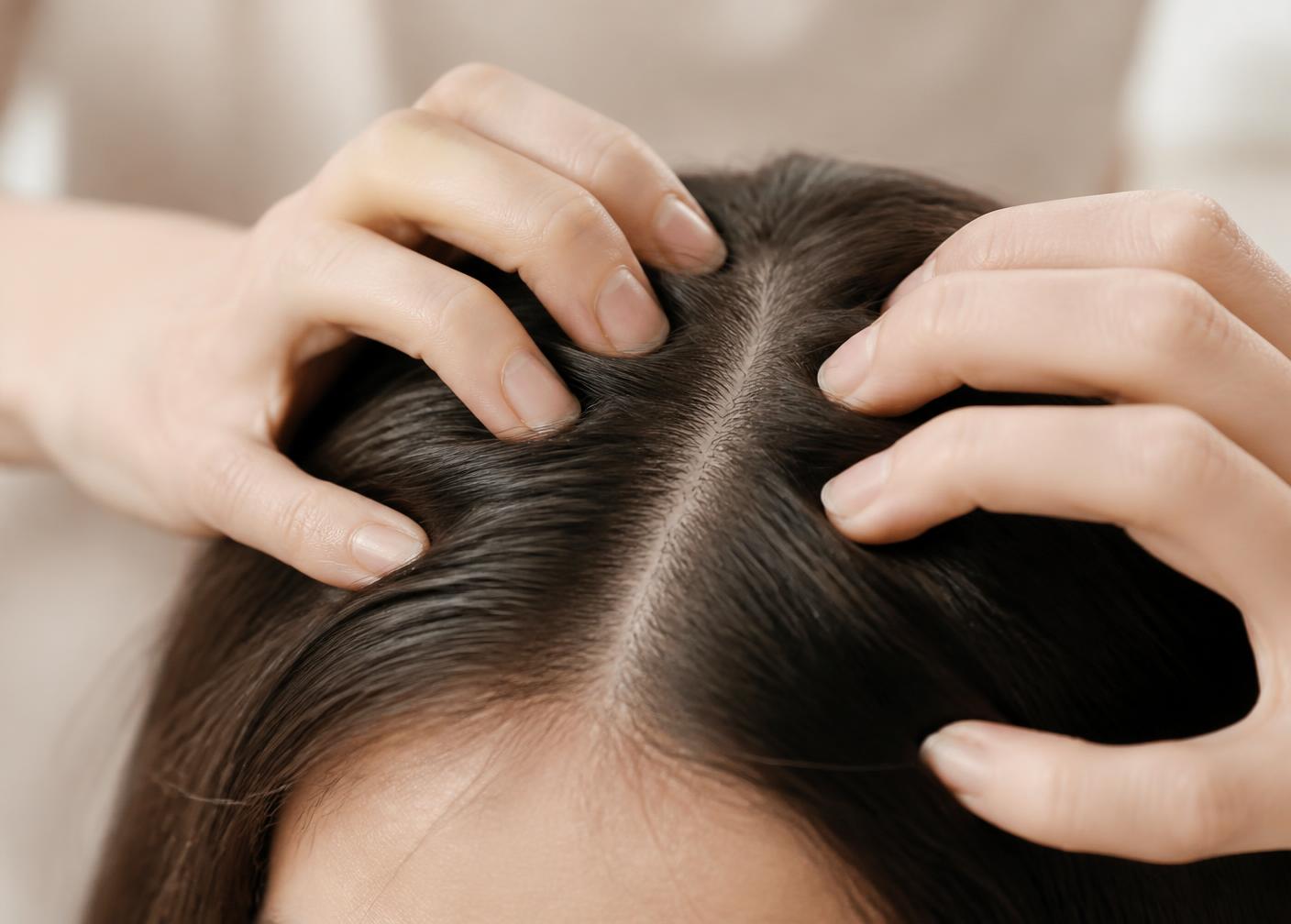
If your ponytail feels thinner than it used to, or your part looks wider in photographs, you are in extremely common company. It is also the point at which most people start searching for products and where the marketing gets loudest.
So let us be clear before we get to product names. Shampoo, conditioner and scalp serums are cosmetics. They improve the look, feel and body of the hair you have. They do not diagnose, treat or cure medical hair loss and if your shedding is sudden, patchy or accompanied by scalp symptoms, a doctor or dermatologist is the right first stop, not a shopping cart.
Why hair starts to look thinner
Visible density is a combination of three things: how many hairs you have, how thick each strand is and how much air sits between them. Age, hormones, stress, illness, medication and genetics all affect the first two. Your routine affects the third and it affects it a lot more than people expect.
Product residue, over-conditioned roots and flat styling can easily cost you the appearance of a full grade of density. That is the part a good routine can genuinely fix.
MONAT IR CLINICAL™: the core system
IR CLINICAL™ is MONAT's scalp-focused system for hair that looks thinner than it used to. It works as a set rather than as individual heroes.
- IR CLINICAL™ Intense Repair Treatment Shampoo, a thorough scalp cleanse that clears the buildup that flattens fine hair.
- IR CLINICAL™ Intense Repair Treatment Conditioner, slip for the lengths without weight at the root.
- IR CLINICAL™ Intense Repair Serum, the leave-on daily step, applied directly to the scalp.
- IR CLINICAL™ Hair Supplement, an optional ingestible companion. Check with your healthcare provider first.
The volumizing products that make the difference visible
Density care is slow. Volume styling is instant and the two together are what actually change how your hair looks in the mirror this week.
- Volumizing REVIVE Shampoo for a lighter everyday cleanse.
- Volumizing REVITALIZE Conditioner, applied to ends only.
- MOXIE™ Magnifying Mousse worked into damp roots before blow-drying.
A realistic weekly routine
- 01Wash two to three times a week with the IRT Shampoo, massaging the scalp for a full minute.
- 02Condition mid-lengths to ends only and rinse longer than feels necessary.
- 03Towel-dry, then part the hair in sections and apply the Intense Repair Serum straight to the scalp.
- 04Add mousse at the roots and rough-dry before you pick up a brush.
- 05Finish by blow-drying the roots away from their natural fall, then cool-shot to set.
Setting honest expectations
Hair grows roughly half an inch a month, so nothing about this is fast. Give a cosmetic routine several months of consistent use before you form an opinion and take a photo on day one in the same light so you have something objective to compare against.
And treat your hair gently in the meantime: wide-tooth comb on wet hair, no tight elastics, silk pillowcase, less heat.
What thinning hair actually is, and why the fix is rarely one bottle
Hair density is not a single number. Dermatologists talk about three separate variables: follicular density, which is how many follicles are actively producing hair per square centimetre of scalp, strand calibre, which is how thick each individual fibre is, and cycle length, which is how long each hair stays in its growing phase before it rests and sheds. Change any one of those and the mirror tells you the same story: the part looks wider, the ponytail feels smaller, and the ends taper instead of blunting.
The reason a single product almost never solves it is that each of those variables answers to something different. Follicular density is largely genetic and hormonal. Strand calibre narrows with age and with androgen sensitivity. Cycle length is what stress, illness, crash dieting, iron deficiency, thyroid changes and postpartum hormone shifts interrupt, and it is the reason so many people notice heavy shedding three months after a difficult event rather than during it.
Cosmetic haircare works on a fourth variable that nobody talks about, which is optical density. That is how much light the hair reflects, how much air sits between the strands, how cleanly the hair leaves the scalp and how much residue is weighing it flat. Optical density is worth an enormous amount visually, and it is completely within your control. That is where a MONAT routine earns its place, and it is also why the honest version of this guide separates the scalp system from the styling products instead of promising one hero bottle.
Living with the IR CLINICAL system day to day
The system is built around a leave-on step, and the leave-on step is the one people skip. The IR CLINICAL Intense Repair Serum is applied directly to a towel-dried scalp in sections, not to the hair. Part down the middle, apply, move the part an inch, apply again, and work outwards until you have covered the crown and hairline. It takes about ninety seconds once you have done it a few times, and it is the difference between using the system and owning the system.
The Intense Repair Treatment Shampoo is a genuine scalp cleanse rather than a hair wash, so the lather belongs on the skin, not on the lengths. Massage with the pads of your fingers for a full minute. If you rinse and the hair still feels coated, do a second short cleanse. Fine hair almost always benefits from two small washes rather than one large one, because the first pass lifts sebum and product and the second one actually cleans.
Condition ends only. The Intense Repair Treatment Conditioner is formulated to be light, but the root area of fine hair reads any conditioner as weight, so start the application at the ears and work down. Rinse longer than feels necessary. Most flatness at the crown is under-rinsing, not the product itself.
The optional hair supplement is an ingestible companion rather than part of the topical routine, and it is the one step to run past your own healthcare provider first, especially if you take medication or are pregnant or breastfeeding.
Referenced hereIR CLINICAL™ Intense Repair Treatment ShampooIR CLINICAL™ Intense Repair Treatment ConditionerIR CLINICAL™ Intense Repair SerumIR CLINICAL™ Hair Supplement
The styling half: instant visual density while the routine does its slow work
Nothing in cosmetic haircare changes how your hair looks this week the way styling does. MOXIE Magnifying Mousse worked into damp roots and then rough-dried with your fingers lifts the hair away from the scalp so light passes underneath it, and that shadow is what the eye reads as density. Use a golf-ball-sized amount, concentrate it at the root, and do not brush it smooth while drying.
Volumizing REVIVE Shampoo is the lighter everyday alternative on days when you are not doing a full scalp treatment, and Volumizing REVITALIZE Conditioner is the ends-only partner. Between them they keep the hair clean enough to stay lifted without stripping it.
Two finishing habits matter as much as the products. First, dry the roots against their natural fall for the first sixty percent of the dry, then let them settle. Second, finish with a light hold rather than a heavy one, because Flex Control Hairspray holds shape without gluing strands into visible clumps, and clumping is what makes thin hair look thinner.
Referenced hereMOXIE™ Magnifying MousseVolumizing REVIVE ShampooVolumizing REVITALIZE ConditionerFlex Control Hairspray
The five mistakes that cost people visible density
Washing too rarely. Fine, thinning-looking hair collapses under sebum faster than thick hair does, and a scalp routine cannot work through a layer of oil and dry shampoo. Two to three washes a week is the working range for most people, and daily is fine if you are using a light cleanse.
Conditioning the scalp. It is the single most common cause of a flat crown, and it is free to fix.
Tight styling. Traction on the hairline from tight ponytails, buns, braids and clip-in weight is cumulative and, over years, can become permanent. Loose styles, fabric ties and a silk pillowcase protect the hairline you still have.
Overheating. Direct 200 degree heat on fine hair without protection weakens the cuticle, and weak fibres snap mid-length, which reads as thinness even when the follicle count has not changed at all.
Quitting at six weeks. Hair grows roughly half an inch a month. Any cosmetic scalp routine needs ninety days of honest, consistent use before it deserves a verdict, and the only fair comparison is two photos taken in the same light, at the same angle, on dry unstyled hair.
When to stop shopping and see a doctor
There is a clear line between hair that looks thinner and hair that is falling out, and no cosmetic product belongs on the wrong side of it. Book an appointment if the shedding started suddenly, if you can see smooth round bald patches, if the scalp is itchy, sore, scaly or inflamed, if the hairline is receding in a defined pattern, or if hair loss arrived alongside fatigue, weight change, cycle changes or new medication.
A doctor can check ferritin, thyroid function, vitamin D and hormone levels, and can prescribe treatments with clinical evidence behind them. Cosmetic haircare and medical treatment are not competitors, and many people use both. What matters is that you do not spend a year on shampoo while something treatable goes unaddressed.
A ninety-day plan you can actually follow
Weeks one to four: establish the habit. Wash three times a week with the treatment shampoo, condition ends only, apply the serum to the scalp every single wash day plus two dry days in between. Photograph your part on day one.
Weeks five to eight: add the styling layer. Mousse at the root on every dry, rough-dry before brushing, and reduce direct heat to twice a week. This is the phase where the change becomes visible in photos even though the growth cycle has barely turned over.
Weeks nine to twelve: protect and assess. Keep the routine identical, add REJUVENIQE Oil Intensive as a pre-wash scalp massage once a week for comfort and shine on the lengths, and take the second photo at the twelve-week mark in the same light as the first.
If the comparison shows more body, cleaner scalp and better-behaved hair, the routine is earning its place and consistency will keep compounding. If nothing has changed and shedding continues, that is useful information too, and it is the point at which a medical opinion is the better investment.
Referenced hereREJUVENIQE® Oil Intensive
Ready to shop?
All purchases are completed on the official MONAT storefront, with current pricing and the satisfaction guarantee.
Frequently asked questions
Does MONAT regrow hair?
No. MONAT haircare is cosmetic and is designed to improve the appearance of thinning-looking hair, not to regrow hair or treat medical hair loss.
Which MONAT product should I start with?
Start with the IR CLINICAL™ shampoo and serum together, the serum is where the daily work happens and the shampoo prepares the scalp for it.
Products mentioned
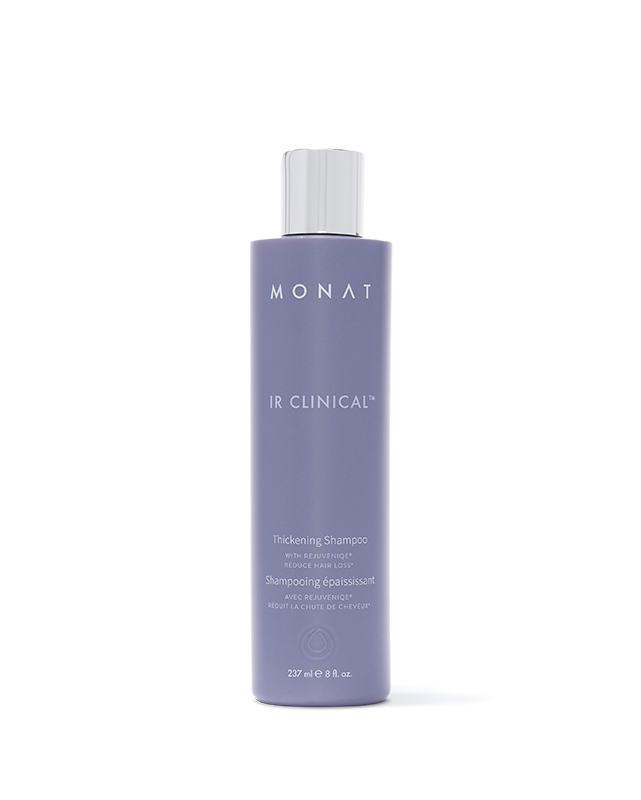
IR CLINICAL™
IR CLINICAL™ Intense Repair Treatment Shampoo
A clinical-inspired cleanse that targets the scalp environment and supports the look of fuller, thicker-looking hair.
$53VIP $44
Best for: Thinning-looking hair
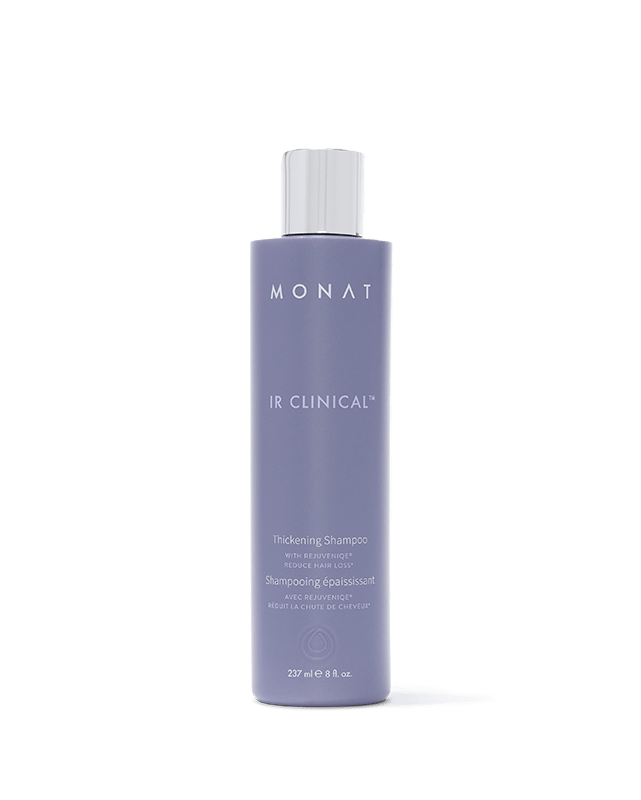
IR CLINICAL™
IR CLINICAL™ Intense Repair Serum
A leave-on scalp serum in the IR CLINICAL system, used daily to support the appearance of fuller hair.
$84VIP $72
Best for: Thinning-looking hair
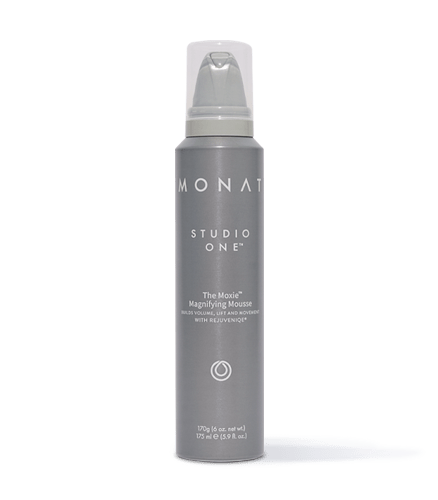
Styling
MOXIE™ Magnifying Mousse
A styling mousse that builds volume and body at the root with a soft, brushable finish.
$50VIP $42
Best for: Fine hair
Keep reading
MONAT Product Guides
MONAT IR CLINICAL: What You Need to Know
MONAT's scalp-first system for thinning-looking hair, explained without the hype, including where the claims stop.
Scalp Care
MONAT Scalp Care Routine (Step by Step)
Everything visible about your hair starts at skin level. Here is how to build a scalp routine that suits yours.