
Scalp Care
The MONAT Scalp Care Routine
Hair With MONAT · Updated August 16, 2026 · 6 min read
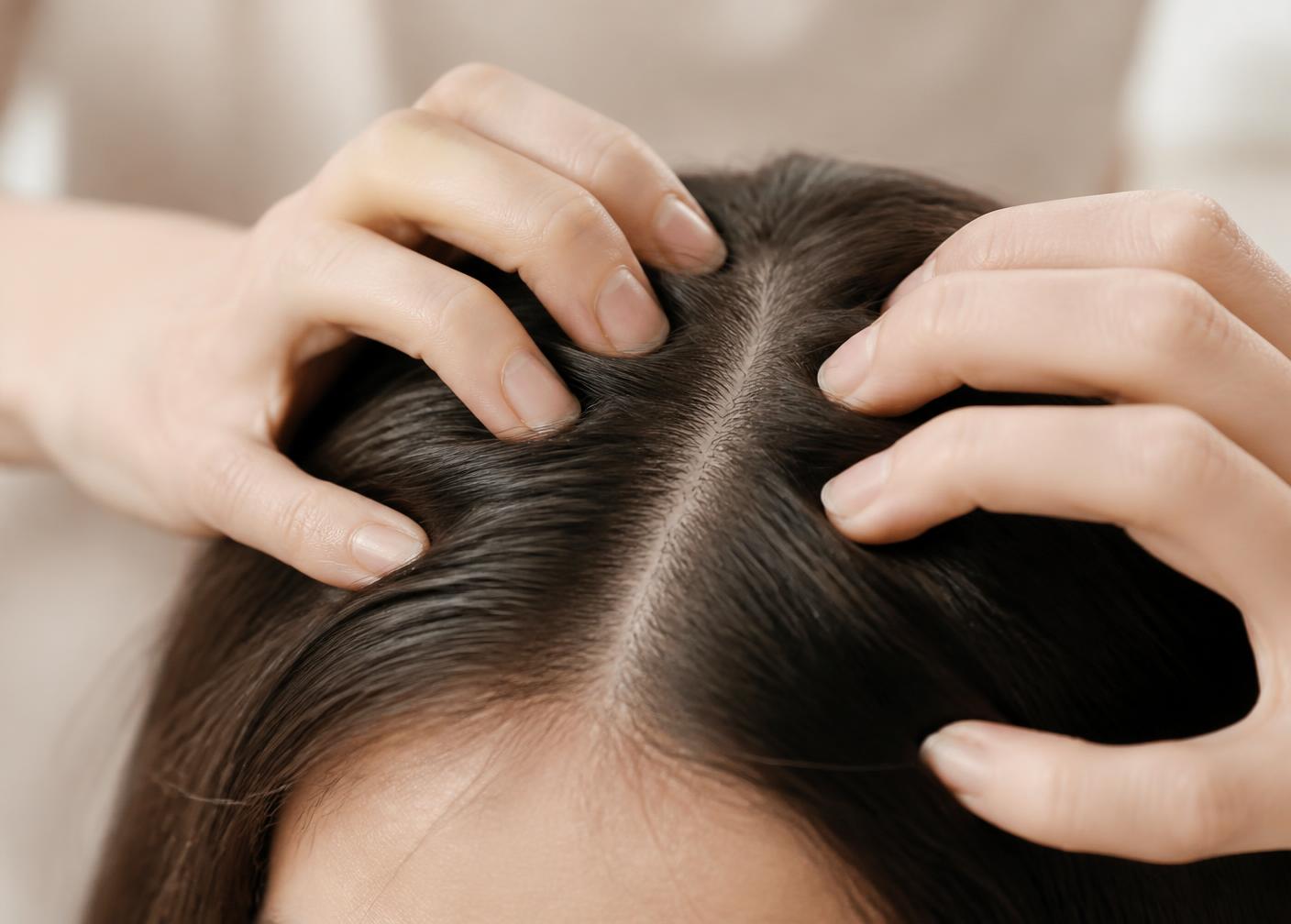
Scalp care is skincare that happens to be under hair. Treat it that way and most hair problems get easier: less itch, less oil, less flaking and a better foundation for whatever grows out of it.
Start by identifying your scalp type
- Oily: roots look greasy within 24 hours of washing. Choose BE BALANCED™.
- Sensitive: tightness, itch or reactivity to strong formulas. Choose BE GENTLE™.
- Density-focused: hair looks thinner than it used to. Choose the IR CLINICAL™ system.
- Generally healthy: any MONAT cleanse plus a weekly oil massage.
The weekly ritual
- 01Massage REJUVENIQE® Oil Intensive into a dry scalp in sections.
- 02Leave for 20 minutes, longer if you have time.
- 03Shampoo twice: the first pass lifts the oil, the second cleanses the skin.
- 04Condition the lengths only and rinse thoroughly.
Daily habits
- Massage with fingertips, never nails.
- Rinse for longer than feels necessary, residue causes most scalp complaints.
- Clean your hairbrush weekly.
- See a dermatologist for persistent itching, soreness, flaking or sudden shedding.
Treat the scalp like skin, because that is what it is
If a patch of skin on your face was flaking, itching and producing excess oil, you would not respond by putting a rich cream on your chin and hoping. You would cleanse it properly, balance it, and stop irritating it. The scalp deserves the same logic, and yet most routines apply conditioner to it daily and cleanse it twice a week.
Scalp skin differs from facial skin in three ways: it has far more follicles, far more sebaceous glands, and it is covered, which traps warmth and moisture. That combination makes it prone to buildup and to microbial imbalance, and it means the products that sit on it matter more than people assume.
The visible consequences of an unhappy scalp are all cosmetic and all familiar: flakes, itch, tenderness, roots that go greasy within a day, and hair that lies flat and dull no matter how good the conditioner is.
Work out which scalp you actually have
Oily scalp: roots greasy within twenty-four hours, hair that separates into strands, occasional large soft flakes that stick together. The instinct to wash less is wrong here; oily scalps generally need more frequent gentle cleansing, not less.
Dry scalp: tightness after washing, small dry white flakes, itch that is worse in winter and in air conditioning. This scalp is being over-cleansed and needs gentler surfactants and less frequent washing.
Sensitive or reactive scalp: stinging, redness, reaction to fragrance or to new products. Simplify the routine to the smallest number of gentle products and reintroduce anything new one at a time.
Buildup: the scalp feels coated rather than dirty, dry shampoo has been used repeatedly, and the hair has no lift at the root. This one is fixed in a single thorough wash, not with a new product line.
Persistent flaking, severe itch, sores, redness that does not settle or hair loss with scalp symptoms are medical questions. See a GP or dermatologist, because seborrhoeic dermatitis and psoriasis are common and treatable.
Building the routine around BE BALANCED and BE GENTLE
The BE BALANCED routine is the scalp-balancing option and it is the natural fit for an oily, congested or easily flattened scalp. Use it as your primary cleanse two or three times a week, massaging the scalp for a full minute rather than washing the lengths.
The BE GENTLE routine is the choice for a sensitive, easily irritated or dry scalp, where a milder cleanse and a simpler routine do more good than any active ingredient.
In both cases the conditioner belongs on the lengths, not the scalp. That single rule solves an enormous share of flat-root and greasy-root complaints.
For anyone whose primary concern is the appearance of thinning rather than oiliness, the IR CLINICAL Intense Repair Treatment Shampoo and Intense Repair Serum are the scalp-focused pairing, and they can be run in the same slot in the week.
Referenced hereBE BALANCED™ RoutineBE GENTLE™ RoutineIR CLINICAL™ Intense Repair Treatment ShampooIR CLINICAL™ Intense Repair Serum
Massage, exfoliation and the pre-wash treatment
A one-minute fingertip massage during every wash is the cheapest scalp treatment there is. Use the pads of the fingers, never nails, and move the skin over the skull rather than sliding across it. It improves cleansing, feels good, and costs nothing.
A weekly pre-wash oil treatment suits dry and tight scalps particularly well. Section the hair, apply REJUVENIQE Oil Intensive directly to the skin, massage for two minutes, leave for twenty and then shampoo thoroughly. Two cleanses may be needed to remove it fully, and that is fine.
Physical scalp brushes are useful in moderation, once a week at most, on a lathered scalp, with light pressure. Daily aggressive brushing irritates the skin and can worsen the very oiliness it is meant to control.
Do not layer multiple scalp actives from different brands at the same time. If the scalp is unhappy, simplify rather than add.
Referenced hereREJUVENIQE® Oil Intensive
The habits that quietly sabotage scalp health
Dry shampoo used for days in a row. It absorbs oil but it does not remove it, and the starch accumulates into a layer that blocks the scalp and dulls the roots. Use it for one day, then wash.
Under-rinsing. Most people rinse for half as long as they should. Residual shampoo and conditioner at the root is a leading cause of itch and flatness.
Hot water. It strips lipids and irritates reactive scalps. Warm to wash, cool to rinse.
Sleeping with wet hair and tight styles. Damp, covered scalps and constant traction are both avoidable irritants.
Ignoring the rest of your health. Sleep, stress, hydration, iron and vitamin D all show up on the scalp, and a routine cannot compensate for a deficiency that a blood test would identify in an afternoon.
A four-week scalp reset
Week one: stop dry shampoo entirely, wash three times with a scalp-focused cleanse, rinse for twice as long as usual, conditioner on the lengths only. Note how quickly the roots become oily.
Week two: add the one-minute fingertip massage to every wash and one pre-wash oil treatment if the scalp feels tight rather than greasy.
Week three: settle into the cadence that suits your scalp type, usually three washes a week for oily and two for dry, and keep everything else constant so you can see what is working.
Week four: assess. A settled scalp is not itchy, not flaking, not tight after washing, and does not go greasy within twelve hours. If you are not there, change one variable, not five. If there is persistent flaking, soreness or redness, that is the point to involve a professional rather than another product.
Referenced hereBE BALANCED™ RoutineBE GENTLE™ Routine
Adjusting scalp care through the seasons
Winter dries the scalp. Indoor heating drops humidity, hats trap sweat and then leave the skin cold and tight, and hot showers strip lipids faster than usual. Reduce washing slightly, wash cooler, and add a weekly pre-wash oil massage for comfort.
Summer does the opposite. Sweat, sunscreen, chlorine and salt all accumulate, and the scalp usually needs more frequent gentle cleansing rather than less. Rinse immediately after swimming, and treat sun exposure on the parting as you would exposure on any other skin.
Transitional months are when people notice seasonal shedding, most commonly in autumn. A modest increase in daily shedding for a few weeks is well documented and usually settles on its own, but if it persists beyond a couple of months or comes with scalp symptoms, get it looked at properly.
Whatever the season, the constants hold: cleanse the skin rather than the lengths, keep conditioner off the scalp, rinse thoroughly, and do not stack multiple scalp actives at once.
Referenced hereBE BALANCED™ RoutineREJUVENIQE® Oil Intensive
Ready to shop?
All purchases are completed on the official MONAT storefront, with current pricing and the satisfaction guarantee.
Frequently asked questions
How often should I do a scalp treatment?
Once a week is plenty for most people.
Can scalp care help thinning hair?
A clean, comfortable scalp is a good foundation and cosmetic products can improve how full hair looks. Medical hair loss needs medical advice.
Products mentioned
Scalp Care
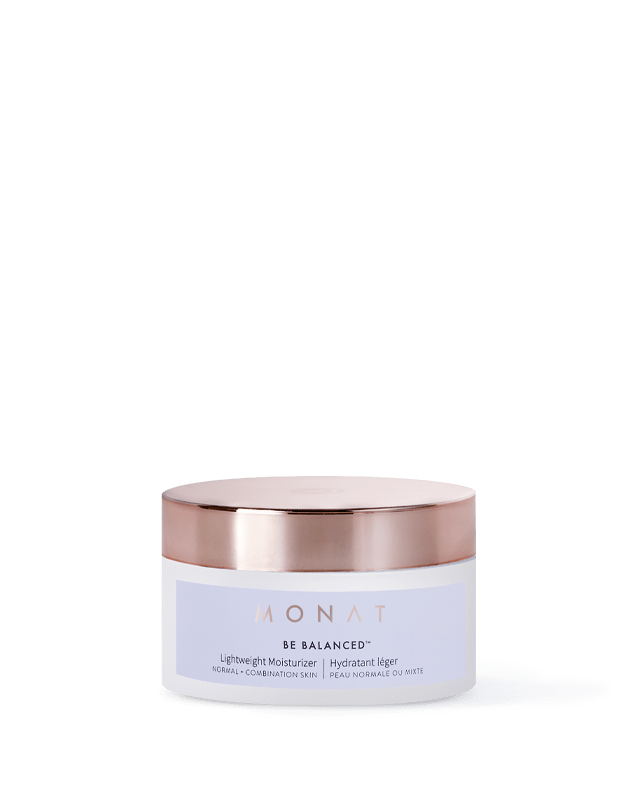
BE BALANCED™ Routine
A scalp-balancing routine for hair that gets oily fast or feels congested at the roots.
$265VIP $226
Best for: Oily scalp
Scalp Care
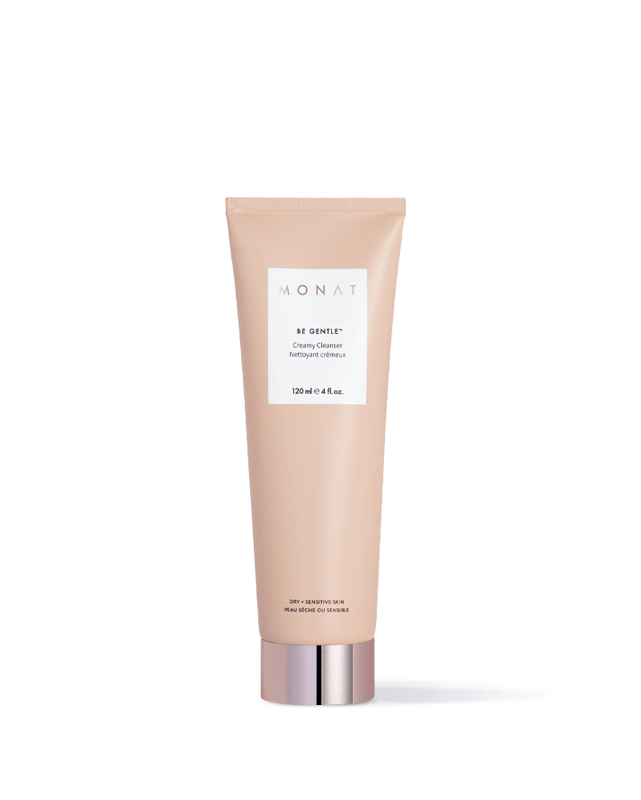
BE GENTLE™ Routine
A gentle, low-irritation routine for sensitive scalps that react to harsher formulas.
$265VIP $226
Best for: Sensitive scalp
REJUVENIQE®
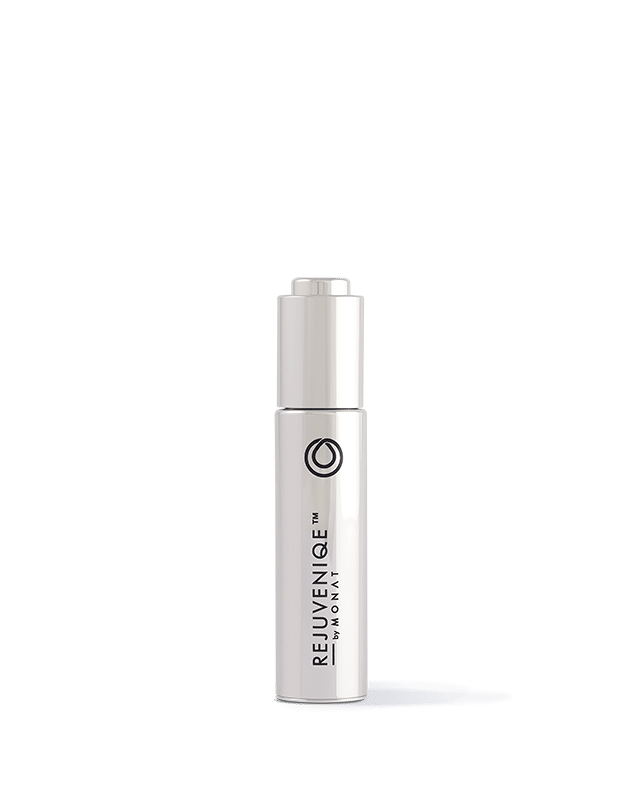
REJUVENIQE® Oil Intensive
MONAT's signature lightweight oil blend, formulated to add softness, shine and manageability to hair from scalp to ends.
$108VIP $92
Best for: Dry hair
Keep reading
Thinning Hair
Best MONAT Products for Thinning Hair (Cosmetic Guide)
The IR CLINICAL system, the volumizing products that support it and an honest explanation of what cosmetic haircare can and cannot do for thinning-looking hair.
Hair Tips
How Often Should You Wash Your Hair?
The answer depends on your scalp, not your hair and 'training' your scalp to produce less oil is largely a myth.